About 26 minutes
A Greek Primer: For Beginners in New Testament Greek — Themes and Context
Theology
5,897 recorded words. 1 minutes difference from this book's estimate.
View Gutenberg source #39292
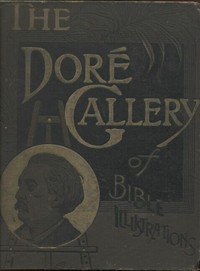
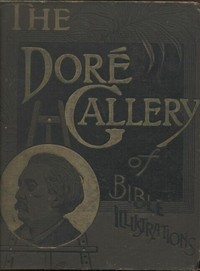
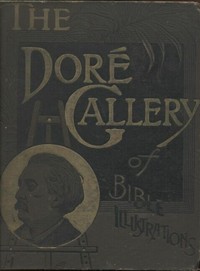
Before opening The Doré Bible Gallery, Volume 6 — A Reader’s Guide, the edition data offers a quick orientation: 6,149 words, 27 min estimated reading time, and 1 detected text section.
The text analysis averages about 23.8 words per sentence, while the detected sections provide another way to judge how the source is divided.
Project Gutenberg metadata also associates the work with “Bible -- Illustrations,” connecting these edition facts with the source record’s subject description.
Explore this collection
These alternatives are selected using recorded categories and estimated reading time.
About 26 minutes
Theology
5,897 recorded words. 1 minutes difference from this book's estimate.
View Gutenberg source #39292About 30 minutes
Theology
6,682 recorded words. 3 minutes difference from this book's estimate.
View Gutenberg source #19568About 32 minutes
Theology
7,221 recorded words. 5 minutes difference from this book's estimate.
View Gutenberg source #8701Search stored excerpts and compare books → Choose by your preferences →
Choices use stored catalog measurements. Estimates vary with reading speed. A shared category is a catalog label, not a claim that two books have the same argument or literary quality.
Search reads excerpt text stored with this catalog and links to its associated Gutenberg record. The connection is stored in the site database; this tool does not recheck that every excerpt is word-for-word identical to that external record. Excerpt search does not cover every chapter and does not verify historical publication dates.
Catalog snapshot checked: 2026-09-26. Coverage: 100 public books, 100 available source excerpts.
Calculated from edition completeness, EPUB availability, text structure and catalogue metadata. Not a user rating.
Total of 100 points, scaled to a 2.5-5.0 range. Editions with an empty description or a missing EPUB file are not scored.
Public-domain source text
The source text is kept in the dedicated reader, separate from this catalogue record and its commentary.
Gustave Doré's Bible illustrations, as presented in this volume, pair each engraving with a page of letter-press that offers a brief analysis of the design. The excerpts from the Gospel of Matthew and Mark reveal a pattern: the editor selects scenes of public astonishment—the stilling of the storm, the healing of a dumb man, and the synagogue teaching—where crowds marvel at Jesus's authority. The accompanying text quotes the biblical passage directly, then presumably describes how Doré visualized the moment. This structure invites readers to move between word and image, noting how the artist interprets the narrative.
The volume opens with a biographical sketch that positions Doré as "the most original and variously gifted designer the world has ever known." The editor emphasizes his early success and his role in elevating illustrative art to new dignity. This framing is not neutral; it primes the reader to look for innovation and grandeur in the plates. The sketch also notes that the collection was chosen with "special reference to the known taste of the American people," suggesting a deliberate selection of familiar, dramatic episodes. Readers should consider how this editorial lens might shape their encounter with the images—are the chosen scenes indeed the most iconic, and does Doré's style match the hyperbolic praise?
The excerpts from Matthew and Mark cluster around moments of collective amazement. In the stilling of the storm, the disciples ask, "What manner of man is this, that even the winds and the sea obey him?" In the healing of the dumb man, the multitudes marvel, saying "It was never so seen in Israel." The synagogue scene ends with the townspeople's offense at Jesus's humble origins. Each passage highlights a crowd's reaction—wonder, astonishment, or skepticism. Doré's task, then, is to capture not just the action but the emotional response of the onlookers. The reader can examine how the artist uses composition, gesture, and light to convey this collective awe.
Each plate is prefaced by a page of letter-press that provides "a brief analysis of the design." The excerpts do not include these analyses, but the editorial preface states that the work was under the scrutiny of "artists and scholars" to ensure accuracy. This suggests that the text pages are meant to guide interpretation, perhaps pointing out symbolic details or compositional choices. For the modern reader, these pages offer a contemporary (19th-century) perspective on Doré's work. They may also serve as a bridge between the biblical text and the visual representation, helping the viewer see what the editor considered noteworthy.
The volume collects engravings from across the Bible, but the excerpts focus on New Testament miracles and teachings. This concentration may reflect the editor's aim to present "subjects of general interest." As you turn the pages, observe how Doré handles repeated themes—storms, crowds, healing gestures. Does he vary the composition to avoid monotony? The preface claims that Doré "has opened new and shining paths" in illustration; the reader can test this claim by comparing the treatment of similar subjects. Also note the absence of Old Testament scenes in the excerpts; the full volume likely includes a broader range, but the sample suggests a preference for narrative drama over prophetic or legal material.
This volume is best approached as a visual companion to the Bible, where the engravings are meant to be studied alongside the scriptural text. The editorial apparatus—the biographical sketch, the letter-press analyses—provides a historical lens, but the primary experience is the interplay between Doré's imagery and the biblical narrative. Readers may find it rewarding to first read the biblical passage, then examine the plate, and finally consult the analysis to see what details the editor highlights. This method reveals both Doré's artistry and the 19th-century expectations of biblical illustration.
There’s a particular hush in Doré’s Gospel engravings, a stillness that makes the miracles feel less like spectacle and more like quiet testimony. I found myself thinking of that same patient witness while rereading The Testimony of the Bible Concerning the Assumptions of Destructive Criticism — Context and Discussion, as if both were asking me to simply look, and wait, rather than hurry toward an answer. Old friends, both of them.
Use these questions to collect your thoughts before moving on.