About 32 minutes
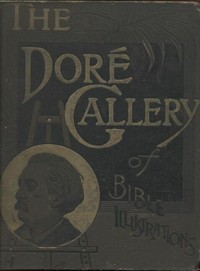
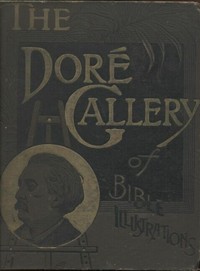
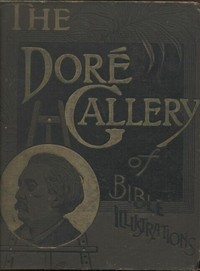
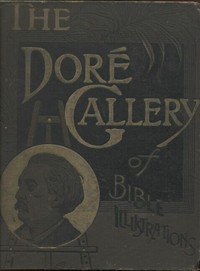
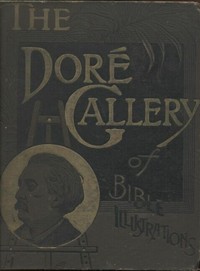
The Doré Bible Gallery, Volume 7 — A Closer Reading
Theology
7,351 recorded words. 0 minutes difference from this book's estimate.
View Gutenberg source #8707
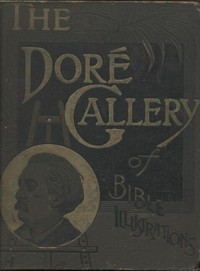
The source record for The Doré Bible Gallery, Volume 1 — Context and Discussion measures this digital text at 7,221 words, 32 min estimated reading time, and 1 detected text section.
The text analysis averages about 24.6 words per sentence, while the detected sections provide another way to judge how the source is divided.
Project Gutenberg metadata also associates the work with “Bible -- Illustrations,” connecting these edition facts with the source record’s subject description.
Explore this collection
These alternatives are selected using recorded categories and estimated reading time.
About 32 minutes
Theology
7,351 recorded words. 0 minutes difference from this book's estimate.
View Gutenberg source #8707About 30 minutes
Theology
6,682 recorded words. 2 minutes difference from this book's estimate.
View Gutenberg source #19568About 34 minutes
Theology
7,819 recorded words. 2 minutes difference from this book's estimate.
View Gutenberg source #69889Search stored excerpts and compare books → Choose by your preferences →
Choices use stored catalog measurements. Estimates vary with reading speed. A shared category is a catalog label, not a claim that two books have the same argument or literary quality.
Search reads excerpt text stored with this catalog and links to its associated Gutenberg record. The connection is stored in the site database; this tool does not recheck that every excerpt is word-for-word identical to that external record. Excerpt search does not cover every chapter and does not verify historical publication dates.
Catalog snapshot checked: 2026-09-26. Coverage: 100 public books, 100 available source excerpts.
Calculated from edition completeness, EPUB availability, text structure and catalogue metadata. Not a user rating.
Total of 100 points, scaled to a 2.5-5.0 range. Editions with an empty description or a missing EPUB file are not scored.
Public-domain source text
The source text is kept in the dedicated reader, separate from this catalogue record and its commentary.
Gustave Doré's illustrations in this volume are paired with biblical passages that are not merely captions but integral to the reading experience. The editor's preface explains that each plate is preceded by a page of letter-press in narrative form, offering a brief analysis of the design. This structure invites readers to move between word and image, observing how Doré's visual choices amplify or reinterpret the scriptural text. For instance, the engraving of Lot's flight is accompanied by the full Genesis account, including details like Lot's wife looking back and becoming a pillar of salt—a moment Doré likely rendered with dramatic intensity. The volume thus functions as a guided tour through key biblical events, with the illustrations serving as interpretive lenses.
The volume begins with a biographical sketch of Doré, praising his originality and versatility. This sets expectations for the illustrations as works of art rather than mere diagrams. The first biblical excerpt, from Genesis 19, describes the destruction of Sodom and Gomorrah. The text emphasizes physical action—angels seizing hands, Lot fleeing, brimstone raining down—which Doré's engraving likely captures in a single, dramatic scene. Readers are thus primed to look for dynamic composition and emotional intensity. The pairing also highlights a recurring pattern: the illustrations often focus on moments of crisis or divine intervention, such as the expulsion of Hagar or the binding of Isaac, rather than everyday life.
The excerpts from Genesis 21 and 22 show a deliberate choice of episodes that hinge on familial conflict and divine testing. The story of Hagar's expulsion is given in full, including Sarah's demand and Abraham's distress. Doré's illustration likely emphasizes Hagar's isolation in the wilderness, as the text describes her casting the child under a shrub and weeping. The subsequent excerpt on the binding of Isaac (not fully shown but implied) continues this theme of sacrifice. By selecting these emotionally charged narratives, the volume guides readers to reflect on faith, obedience, and suffering. The illustrations do not simply decorate the text but interpret it, often heightening the pathos through visual cues like posture, landscape, and lighting.
Later excerpts maintain the pattern of pairing dramatic scriptural moments with Doré's engravings. The text for Hagar in the Wilderness repeats the earlier passage, suggesting that the illustration may depict the same scene from a different angle or with added detail. This repetition reinforces the volume's focus on key events. The editor's note that the plates were chosen with "special reference to the known taste of the American people" indicates a conscious effort to select universally recognized stories. Readers familiar with the Bible will find familiar episodes, but Doré's interpretations may challenge or deepen their understanding. For example, his depiction of Lot's wife as a pillar of salt likely emphasizes the suddenness of divine judgment.
The volume's structure encourages active viewing. Each illustration is preceded by a page of explanatory text that summarizes the narrative and points out elements in the design. This format trains readers to look for specific details—such as the angel's gesture or the expression on Abraham's face—and to consider how Doré conveys emotion through composition. The preface notes that the work was scrutinized by artists and scholars, suggesting a deliberate effort to ensure accuracy and artistic merit. For a first reading, the best approach is to study the illustration first, then read the accompanying text, and finally return to the image to see how the words illuminate the visual choices. This back-and-forth process reveals the depth of Doré's artistry.
This volume offers a unique entry point into both biblical narrative and nineteenth-century illustration. Readers should approach each plate as a collaboration between text and image, noting how Doré's style—grandiose, detailed, and emotionally charged—shapes the story's impact. The excerpts provided are just a sample; the full collection covers many more episodes, each with its own interpretive possibilities. By attending to the interplay of word and picture, readers can appreciate how Doré transformed familiar scriptures into vivid, memorable scenes.
Flipping through The Doré Bible Gallery, I kept pausing on the engravings of Job and his storm, the dark lines pulling me into that quiet, trusting stillness. It reminded me, strangely, of Swedenborg's careful words about how providence weaves through our confusions. The same patient thread, I suppose, invites a slower glance at Angelic Wisdom about Divine Providence — Key Ideas to Explore, which rests on my nightstand like an old friend's whisper.
A brief reflection can help important ideas stay with you longer.