About 41 minutes
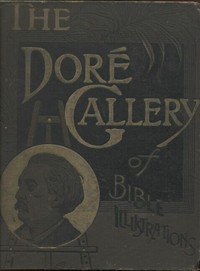
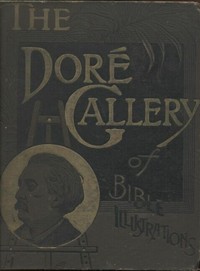
The Doré Bible Gallery, Volume 4 — Text and Context
Theology
9,302 recorded words. 1 minutes difference from this book's estimate.
View Gutenberg source #8704
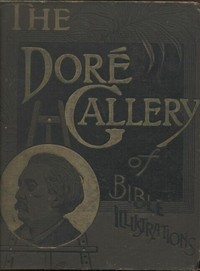
For The Doré Bible Gallery, Volume 5 — Themes and Context, the stored edition analysis reports 9,008 words, 40 min estimated reading time, and 2 detected text sections.
The text analysis averages about 25.7 words per sentence, while the detected sections provide another way to judge how the source is divided.
Project Gutenberg metadata also associates the work with “Bible -- Illustrations,” connecting these edition facts with the source record’s subject description.
Explore this collection
These alternatives are selected using recorded categories and estimated reading time.
About 41 minutes
Theology
9,302 recorded words. 1 minutes difference from this book's estimate.
View Gutenberg source #8704About 41 minutes
Theology
9,276 recorded words. 1 minutes difference from this book's estimate.
View Gutenberg source #58014About 44 minutes
Theology
10,089 recorded words. 4 minutes difference from this book's estimate.
View Gutenberg source #8702Search stored excerpts and compare books → Choose by your preferences →
Choices use stored catalog measurements. Estimates vary with reading speed. A shared category is a catalog label, not a claim that two books have the same argument or literary quality.
Search reads excerpt text stored with this catalog and links to its associated Gutenberg record. The connection is stored in the site database; this tool does not recheck that every excerpt is word-for-word identical to that external record. Excerpt search does not cover every chapter and does not verify historical publication dates.
Catalog snapshot checked: 2026-09-26. Coverage: 100 public books, 100 available source excerpts.
Calculated from edition completeness, EPUB availability, text structure and catalogue metadata. Not a user rating.
Total of 100 points, scaled to a 2.5-5.0 range. Editions with an empty description or a missing EPUB file are not scored.
Public-domain source text
The source text is kept in the dedicated reader, separate from this catalogue record and its commentary.
Gustave Doré's Bible illustrations in Volume 5 are presented not as standalone artworks but as part of a carefully orchestrated pairing: each engraving is preceded by a page of letterpress that offers a brief analysis of the design. This structure creates a deliberate rhythm, where the reader moves from textual description to visual representation. The letterpress often adopts a narrative tone, summarizing biblical events while hinting at the emotional weight of Doré's compositions. For instance, the account of Daniel in the lions' den emphasizes the king's distress—'his sleep went from him'—before the engraving presumably captures that tension. This interplay between word and image shapes the reader's experience, guiding attention to specific details and pacing the encounter with each plate.
The letterpress in Volume 5 employs a consistent voice that is both reverent and explanatory. It does not merely recount scripture but frames each scene with an eye toward artistic interpretation. Descriptions like 'the king cried with a lamentable voice' in the Daniel passage highlight emotional peaks, preparing the reader for Doré's dramatic visual language. The text often uses adjectives that mirror the engraver's style—'magic touch,' 'rich and facile'—creating a feedback loop between verbal and visual praise. This voice is not neutral; it actively shapes how the reader should perceive the artwork, emphasizing grandeur and pathos. The editor's choice to include phrases like 'the lions had the mastery of them' underscores the violent contrasts that Doré favored, ensuring the text amplifies the engravings' impact.
The volume's pacing is dictated by its format: each plate is a discrete unit, preceded by a page of text. This creates a stop-and-start rhythm, where the reader must pause to read before turning to the image. The letterpress itself varies in length and density; some entries are concise, while others, like the account of Belshazzar's feast, include extended quotations from Daniel. This variation controls the tempo—longer passages build anticipation, shorter ones deliver quicker transitions. The editor notes that the plates were 'chosen with special reference to the known taste of the American people,' suggesting a deliberate sequencing to maintain interest. The result is a curated journey through biblical narrative, where textual and visual elements alternate to sustain engagement.
Certain motifs recur across the excerpts, revealing the editor's thematic priorities. The phrase 'the law of the Medes and Persians, which altereth not' appears in the Daniel story, emphasizing irrevocable decrees and divine intervention. Similarly, the description of Amos as a 'herdsman and a gatherer of sycamore fruit' grounds prophecy in humble origins, a detail Doré likely rendered with rustic specificity. The letterpress also repeatedly highlights moments of transition—Belshazzar's fall, Daniel's deliverance, Amos's calling—suggesting that the volume favors scenes of crisis and transformation. These recurring elements, from legal rigidity to sudden reversal, give the collection a cohesive thematic thread, even as the engravings themselves vary widely in composition and mood.
Readers approaching Volume 5 should attend to how the letterpress shapes their viewing experience. The text does not simply caption the images; it primes the eye for certain details and emotional registers. Noticing when the description lingers on a gesture or a phrase—like 'the king sealed it with his own signet'—can reveal what the editor considered most essential in Doré's design. This volume rewards a slow, alternating reading, where word and image are allowed to resonate together.
Flipping through Doré’s engravings, I remembered sitting with my grandmother’s old Breviary, her whispered Latin filling the gaps between dark, carved saints. The stillness here mirrors that—text and image breathing together, unhurried. The Divine Office: A Study of the Roman Breviary — Key Ideas to Explore once gave me that same quiet hush, a sense of time folding into prayer, page after page.
Use these questions to collect your thoughts before moving on.