
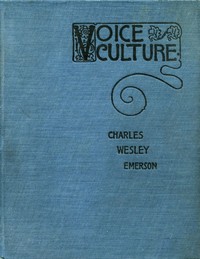
Psycho Vox; or, The Emerson System of Voice Culture by Charles Wesley Emerson
Published in the late 1800s, Psycho Vox presents a system where voice training is soul training. Charles Wesley Emerson, founder of the Emerson College of Oratory, didn't just want to teach people to project. He believed the voice was the 'index of the soul,' a direct outlet for one's mental and moral state.
The Story
There isn't a plot in the traditional sense. Instead, Emerson builds his case chapter by chapter. He starts by dismantling the idea that voice is purely a mechanical instrument. For him, a shrill voice indicates irritability, a weak voice shows timidity, and a harsh voice reveals a hard heart. The 'story' is his argument: to improve your voice, you must first improve your character—cultivate poise, honesty, and vitality. The book then offers practical exercises, but they're framed as ways to physically manifest these inner qualities. It's a guide to becoming a more powerful, persuasive, and authentic person through the gateway of your own speech.
Why You Should Read It
Reading this today is a strange and rewarding experience. Some of the science is charmingly outdated, but the core insight feels timeless. We all instinctively react to voices. Emerson gives a name to that instinct. His blend of psychology and practical advice is compelling. When he says a confident thought spoken with force will improve your tone, it's hard not to test it out. The book is a snapshot of a time when self-improvement was deeply philosophical. It's not about quick fixes; it's about holistic growth. I found myself pausing to think about my own voice in meetings or conversations, wondering what it might be unconsciously revealing.
Final Verdict
This is a niche but fascinating read. It's perfect for history buffs interested in 19th-century thought, actors or speakers looking for a deeper approach to their craft, or anyone who enjoys old self-help books with a philosophical twist. It's not a modern, evidence-based vocal manual. But if you approach it as a historical document full of unique ideas about the mind-body connection, you'll find plenty to underline and think about. Just be ready for some ornate, old-fashioned language along the way.
The copyright for this book has expired, making it public property. Enjoy reading and sharing without restrictions.
Mary Davis
5 months agoAs someone working in this industry, I found the insights very accurate.
James Davis
1 year agoGreat value and very well written.
Emily Thomas
11 months agoAfter hearing about this author multiple times, it provides a comprehensive overview perfect for everyone. I couldn't put it down.
Logan Brown
1 year agoI have to admit, the emotional weight of the story is balanced perfectly. I would gladly recommend this title.





Jennifer Lee
3 months agoFinally found a version that is easy on the eyes.