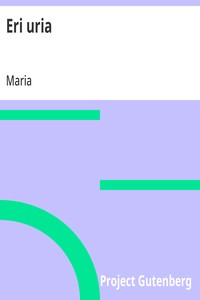
Eri uria by Maria
The Story
We meet Maria as a young, bright-eyed woman living in a small Basque village in the mid-1800s. It's a hard life—farm work, family duties, and a war that's creeping closer. One day, she finds an old book with blank pages. She starts to write. But she's not just recording her thoughts. Hidden inside are codes—directions for the local smugglers who cross the mountains. The authorities are hunting them down, and they'd love to find that notebook. Maria weaves a plan: she'll write two diaries—a fake one with fake secrets, and the real one telling the true story. Meanwhile, a stranger named Eneko arrives, flashing a strange key and claiming he's from her brother's past. As tension builds, Maria must decide who to trust before the wrong person reads the wrong page. The whole story turns on that hinge—trust and secret, coded and code.
Why You Should Read It
Here's the thing—I'm not usually into historical fiction. It can get dusty. But this book feels like a whispered conversation. Maria's voice is so raw. You can actually feel her holding her breath every time a soldier passes by. The author, who clearly knows the Basque landscape, paints a picture of mountains so vivid you can feel the chill and smell the damp forests. What really hit me was how the book explores courage in tiny moments—choosing a locked drawer over your enemy, trading a bread loaf for a whispered secret, wrapping your wounded friend's leg with a page torn from your own diary. That's real bravery. Not explosive, just stubborn. Also—the code system is so clever I wish it was explained in a decoder ring at the back. I keep catching myself thinking, 'What if she'd just burned the book?', but then there would be no story for us. This book makes you grateful for the paper, for the history, for every crackly fragment that survived. It felt like peeking through a window into 1846 and whispering, 'Go on, Maria, we're with you.'
Final Verdict
Who is this book for? Think anyone who loved *The Guernsey Literary and Potato Peel Pie Society*—the letters, the closeness—but wants something a little darker and more active. It's perfect for history lovers, not of ironclad battles, but of everyday survival. For anyone who finds codes romantic (no shame!). For readers who root for the underdog, especially if that underdog is a clever woman armed with ink and too much guts. Maybe even for folks who need a dose of hope—this story reminds us that words absolutely can be weapons, and sometimes the quietest pages shout the loudest. So go ahead, grab a copy, and treat yourself to an adventure. Just don't read it in a library.
No rights are reserved for this publication. It serves as a testament to our shared literary heritage.
Emily Hernandez
1 year agoThe layout of the digital version made it easy to start immediately, the critical analysis of current industry standards is very timely. I'm glad I chose this over the other alternatives.
Christopher Lee
1 year agoThis work demonstrates a clear mastery of contemporary theories.